Creator: Patrick Connole
Advocating for SNF Clinicians and Improved Medicare Payment
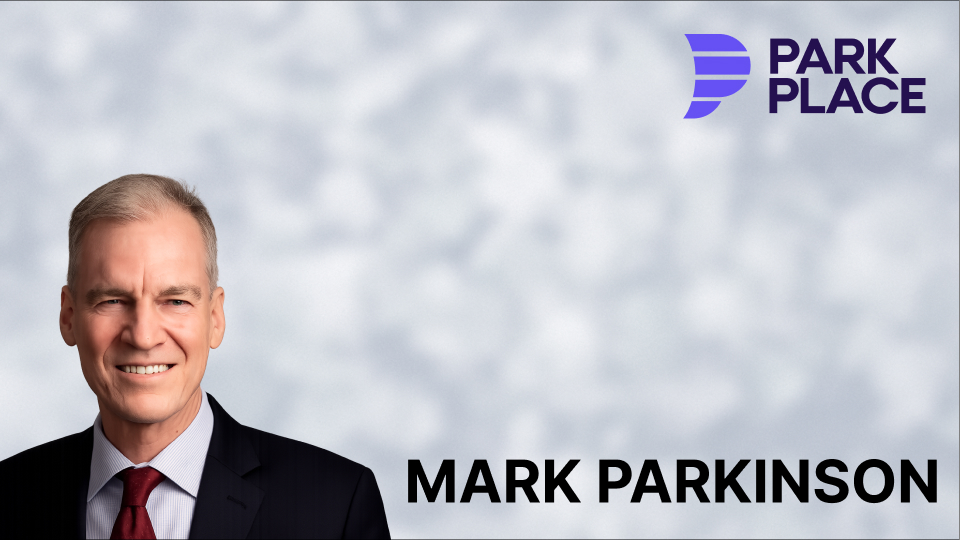
Mark Parkinson appeared before the Advocacy Summit of the Post Acute and Long Term Care Medical Association (PALTmed), offering an overview on how to advocate for Medicare physician payment improvements.
Mark Parkinson took to the lectern on Oct. 19 before the Advocacy Summit of the Post‑Acute and Long‑Term Care Medical Association (PALTmed), offering an overview of how best to urge lawmakers and their staffs to follow-through on this July’s draft Medicare payment rule that would equalize payments for physicians who care for LTC residents.
The rule, “Medicare and Medicaid Programs; CY 2027 Payment Policies under the Physician Fee Schedule and Other Changes to Part B Payment and Coverage Policies; Medicare Shared Savings Program Requirements; and Medicare Prescription Drug Inflation Rebate Program,” could be finalized this month or early next, Parkinson told the audience at a downtown Washington, DC, hotel.
PALTmed conducted a planning day on Oct. 19 and hit the Hill to advocate today.
The draft rule in July essentially corrected a CMS mistake and offered a big win for clinicians in LTC by equalizing payment for nursing facility visits regardless of a patient’s Part A status. At issue was a well-intentioned change last year when Medicare gave doctors visiting Part B (long stay) SNF patients a 4 percent payment increase. At the same time, Medicare cut payments 7 percent for doctor visits to short-stay SNF residents (Part A). In the proposed rule, CMS said the payments would be the same and at the higher rate.
Getting Results
Parkinson said the victory in the summer – which came with the full support and backing of PALTmed -- is not over until the final rule is issued and includes the change, but he said the lessons from how the win came about are instructive for PALTmed since physicians have traditionally not done well with CMS when it comes to payment increases over the years.
In fact, physicians under Medicare have seen minimal increases from Medicare payment updates for decades, while other settings like inpatient and outpatient categories have seen dramatically higher payment bumps.
In thinking of why this is the case, he said it could be that physicians are not unified and instead are represented by dozens of groups. “Even though collectively there's a ton of physicians, there are a lot of different priorities,” Parkinson said.
And he noted that being right on policy, like what happened with the payment equalization this past summer, is not enough. There has to be a sustained campaign of lawmaker outreach, education, and constant reminders to policymakers of the important, vital care that PALTmed members provide to long-term care residents, Parkinson said.
“It's just not enough on being right on policy. It's really good to be going up to the Hill, which is absolutely an essential thing to do. But there are thousands of associations, and basically all of them would argue that they're right on policy, and that doesn't give them what they need. That doesn't get them in front of these key policymakers changing policy,” he said.
More Is Better
Parkinson noted that what helps make the case in DC is to form a multi-group coalition, like what was done for the draft rule equalization when companies like Comprehensive Rehab Consultants and Medrina led the creation of the Independent Physicians for Senior Care Access (IPSCA), along with PALTmed and others.
From there, the contacts with key policymakers became easier, with IPSCA leading the charge on outreach to the White House and to CMS Administrator Dr. Oz, he said,
In the end, the sustained advocacy campaigns have a good chance of working if kept up year in and year out and are backed by real-world examples to lawmakers and staff on what it is PALTmed members actually do in providing care to the nation’s frail and elderly.
This could include having a staff member of a key lawmaker “shadow you in a facility, so they see the impact that you have when walking through a room,” Parkinson said.
“My advice is to go up tomorrow and absolutely make whatever the policy requests are that you as an organization decide to make. But before you do that, tell them why you do it,” he added.
Comments or questions? Contact Patrick Connole at pconnole@parkplacelive.com.

