Creator: Glenn Van Ekeren
Glenn’s Space: People and Profits - The Hard and Soft Stuff
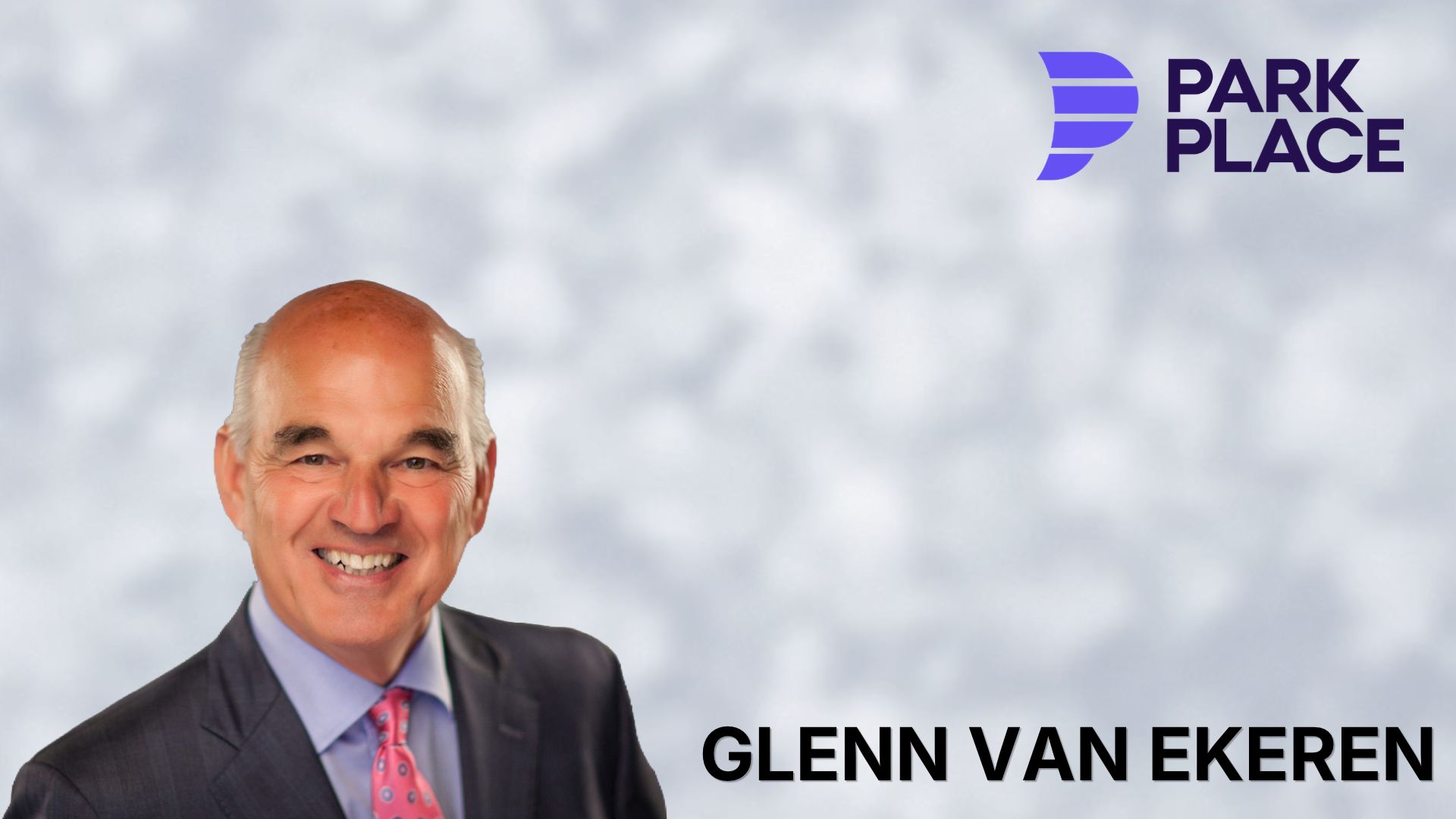
Glenn provides options for how you manage people and profits and has surprising insights for you to ponder.
Entrepreneur Marcus Lemonis declared, “I believe in people, process, and product, but people are the most important thing.”
A dynamic work environment cannot be announced, proclaimed, or manipulated. We can’t mandate it. We can’t legislate it. It grows out of our deeply held beliefs about people. It flows out of the hearts and minds of leadership.
“Spirit does not need to be ‘brought into’ an organization,” wrote Marie Morgan. “Spirit already lies within virtually every employee. It is waiting to be released and provided with a hospitable and nurturing environment-policies, structures and systems, behaviors, norms, and habits to support what people prefer: A place to work that feeds their spirit and produces a fine and worthy product or service.”
For you leaders who find this culture stuff too “soft,” the plain truth is, until you pay attention to soft stuff - culture, you’re not going to get and sustain the hard stuff - dollars.
Consider this. The U.S. Dept. of Labor compared 75 companies that use traditional “command and control” philosophy with 75 “progressive organizations,” that is, those with programs for worker involvement, training, teamwork, and profit-sharing (the soft stuff). Over five years, the traditional companies showed an average annual increase in profits of 2.6 percent. The progressive companies showed a 10.8 percent increase.
“I used to believe that culture was ‘soft,’ and had little bearing on our bottom line. What I believe today is that our culture has everything to do with our bottom line, now and into the future.”
Vern Dosch, author, Wired Differently
Companies that are focused on building culture generally grow faster, increase revenues, and improve their bottom line.
Thomas Watson, the former IBM CEO recognized the importance of culture. He once commented: “Our early emphasis on human relations was not motivated by altruism, but by the simple belief that if we respected our people and helped them respect themselves the company would make the most profit.”
Am earlier study conducted by Deloitte Consulting tracked the shareholder returns of the 56 publicly traded firms on Fortune magazine’s “100 Best Companies to Work For” list. The facts revealed that those companies consistently outperformed the S&P 500.
Robert Levering, author of “A Great Place to Work,” said, “What’s important about a great workplace is that profits are not something to be achieved at the expense of the people responsible for creating them. A great workplace suggests that it’s possible to achieve that success while enriching the lives of the people who work there.”
Creating culture is plain old good business.
I am reminded of a bit of verse created by Milliken & Company that reads,
The hard stuff is easy.
The soft stuff is hard.
And the soft stuff is a lot more important
Than the hard stuff.
Think about it.
Questions to Ponder:
Do my strengths lean toward taking care of the hard stuff or soft stuff?
If the people stuff precedes the profit, how will I adjust?
What actions can we take to create a better balance?

