Creator: JJ Rabinowich
SNF Digest #200
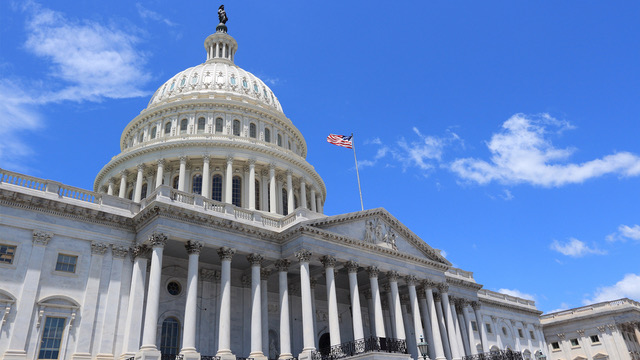
From the White House to Congress to the regulatory agencies, JJ gives you the inside word on what is what for this week.
There will be no update next week, Monday, November 29. We will return on Monday, December 6. Happy Thanksgiving to all!
WHITE HOUSE:
Over the last week, the White House started preparing for Congressional oversight with a new Executive Order to “protect Executive Privilege,” signing a slew of Congressional bills, including the “Common Cents Act”, which ends the production of the penny, and a Head of State meeting with Russia and China. One item of interest:
· To celebrate “National Rural Health Day, they highlighted the Administration’s work, primarily with the Rural Health Transformation Program fund. HHS Secretary RFK Jr., CMS Administrator Dr. Mehmet Oz, & HRSA Administrator Thomas Engels coauthored an op-ed outlining more of their accomplishments. It’s a good overview of the Administration’s agenda.
CONGRESS:
With three weeks to go till the December 11 funding deadline, little progress has been made in finding a path forward on funding. Democrats continue to struggle on how hard a line to draw on the funding battle in light of their incoming Congressional majority. Meanwhile, GOP hopes for another big Reconciliation bill are fading, although some are keeping the light on for something smaller. With Congress out on Thanksgiving break this week, time is running short to avoid a government shutdown. Elsewhere in DC:
· Senator Ron Johnson went to town on Social Security this week, calling it a “legal ponzi scheme”. You can watch the hearing here. The full memo is here (PDF). His suggested solution (bill text here - PDF) would potentially add trillions to the national debt.
· There’s not a ton of time left for the GOP to use their majority. Compounding the problem for Speaker Mike Johnson is that many of the losing members don’t seem all that interested in coming back to DC.
· Even with time winding down, the Senate still got another major bipartisan bill done, sending a permitting reform bill to the House.
· At a pair of Congressional hearings this week, lawmakers wanted to know why Oracle contract to modernize the VA’s EHR system has ballooned from $10 billion to nearly $27 billion. The Senate hearing is here while the House hearing is here.
· Democrats are up to 258 seats, their largest majority since 1992.
· As expected, Hakeem Jeffries is going to be the next Democratic House Speaker. On the Senate side, Democrats will vote for their next leader on December 1. For Republicans, it’s a new dynamic duo in charge.
· A staffer in Jeffries office created a custom AI program to shape messaging on Democratic priorities.
· Election postmortems for the GOP are in full swing.
· Two CRS reports from the week:
o R48191: an updated guide for Congressional offices on connecting constituents with health resources.
o R49521: a guide for Congressional offices on ESOP’s, Employee Stock Ownership Plans, which are becoming more popular, including in the SNF sector.
AGENCIES:
CMS released a new rule, called the Comprehensive Regulations to Uncover Suspicious Healthcare (CRUSH) rule, to add additional oversight to the Medicare program, with a specific focus on MA. The Fact Sheet is here. The full rule can be found at the Federal Register, where comments can be submitted through Jan. 19, 2027.
CMS issued a proposed rule to strengthen competition in the MA market. There are quite a few provisions in the rule, including expansion of special needs plans, as well as looking at a new payment model for ESRD payments. The fact sheet is here. The full rule is scheduled for publication to the Federal Register on November 25, but if you’re looking for some light reading, you can download a prepublication copy of the 868-page rule here (PDF).
CMS released the 2027 Medicare Part A & B premiums.
CMS took a look at improper payments in 2026.
CMS issued their latest report on savings from the ACO programs, finding more than $2.5 billion in savings for Medicare.
HHS, via the Office of Civil Rights (OCR), announced the final HIPAA privacy rule. The fact sheet is here. The full rule can be found at the Federal Register.
HHS, via CMS, announced the award of $47 million for MAHA Elevate, a new effort to test chronic disease prevention. The fact sheet is here (PDF). The central resource page for the model is here.
HHS, via the Administration for Community Living (ACL), awarded more than $2,25 million for the 19 phase 1 winners of their Caregiver AI challenge. The full list of winners can be found here.
HHS, via ACL, awarded more than $3 million to US Aging to strengthen senior nutrition programs.
CMS released a new clinical AI roadmap. It’s available here (PDF).
The Department of Labor released a proposed rule to modernize the PERM program. The full rule is available at the Federal Register, where comments can be submitted through Jan. 19, 2027.
FROM THE NOTEBOOK:
· New York announced that they’re participating the six-month extension of the hold harmless period for Medicaid work requirements.
· A NJ Legislator introduced a two-sentence long bill that would require a standard form for all prior authorization requirements for drug benefits.
· The Kaiser Family Foundation looked at medical inflation as it relates to the rest of the economy.
· Following the SNL sketch on unpaid caregiving, there’s been a lot of focus this week on unpaid caregiving, including:
o An overview from the NY Times.
o KFF released their most recent survey on the topic.
· A busy week for KFF as they also looked at Medicaid rates for home care.
· Humana announced the launch of a new “gold card” program to reduce prior authorization requirements.
· Speaking of prior authorization, the Workgroup for Electronic Data Interchange (WEDI) released their 4th survey of providers to see who’s ready for the CMS prior authorization requirements that are coming by Jan. 1, 2027. The numbers are quite dismal, with only 10% of providers saying they’re ready.
· Health Affairs explored the state of Medicaid 1115 waivers through the latest on Arkansas’s ARHOME program, which CMS has said is not likely to get renewed.
· The Wall Street Journal is starting a new series on aging and the economics of growing old.

