Creator: Patrick Connole
Still Accountable: Grasping What AI Is Now, and Will Be
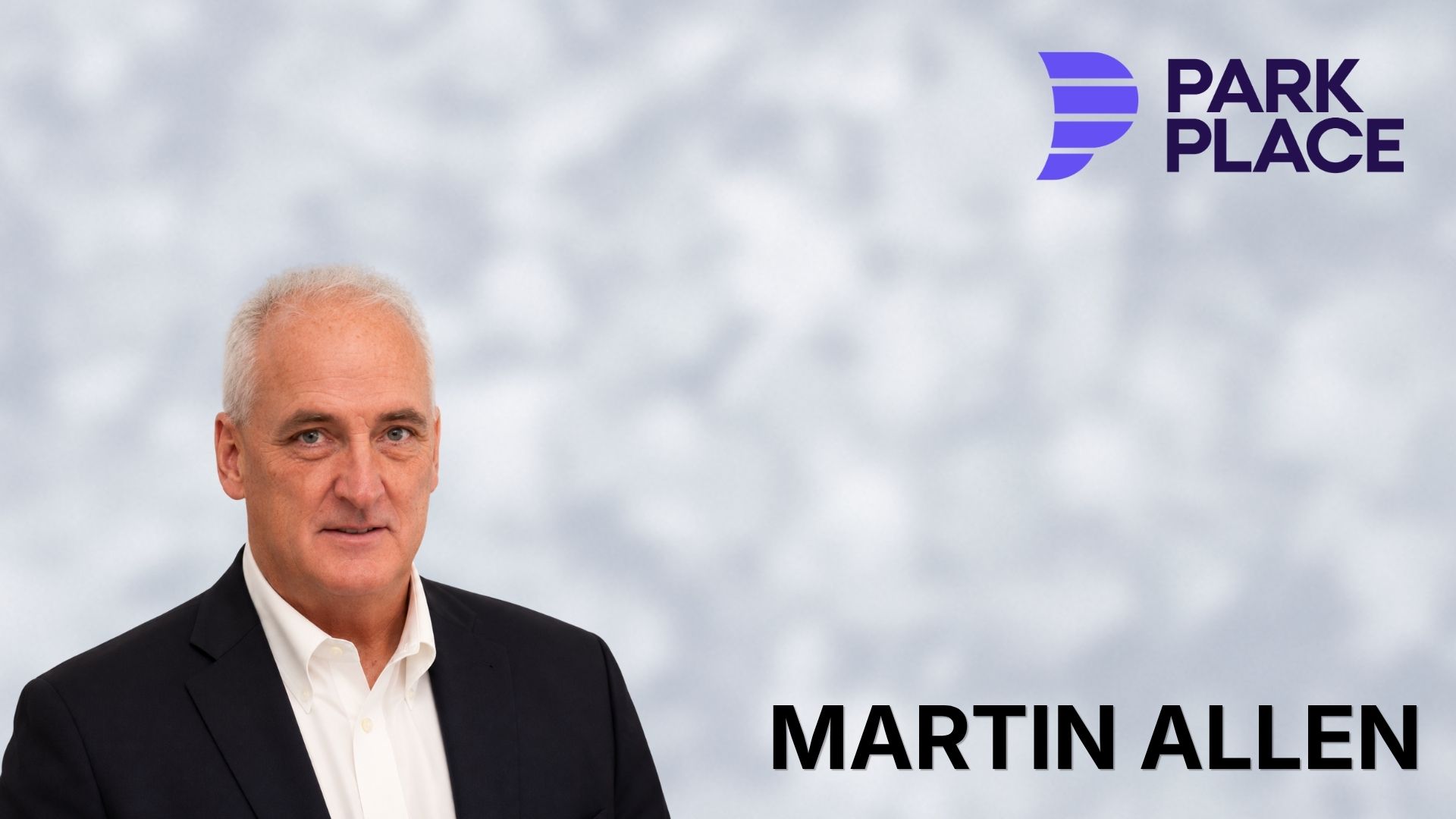
Martin Allen hits it out of the park in breaking down where SNF-world stands with AI and what is to come. Get the big and small picture of this hot topic.
In earlier articles, I have written about artificial intelligence (AI) and the federal rulemaking process. In this one, I’ll try to highlight some of the good uses—and pitfalls—of AI and what it may bring to the clinical and administrative operations of nursing facilities.
First, I must be a prognosticator. From a 20,000-foot view, I am of the school that AI will go too far—but just once. As a nation, we will experience an issue that scares us into setting controls and restrictions on its development and use. Similarly, we may expect AI to deliver scientific research breakthroughs that help mankind, but the headline moment will fade as we realize that the rights to AI output will be held by large companies that will put their profits first.
Step Back from the Worst Case
Second, the bird’s-eye view of AI and skilled nursing facilities (SNFs) is not as dire. I view it as improving the machine processes and reducing human tasks that we already have. In many ways, the companies that supply us with the machines and tools have been developing their own AI for years.
Aren’t we talking about algorithms and administrative automation? Think of the tools available now from our vendor partners: automated employee scheduling, automated secondary crossover billing, and MDS tools that prepare a look-back analysis and do relational data-coding checks. We have optical character recognition and scanning in our revenue cycle tools, and data analytics on the backend with more open-source coding, HIPAA controls, and compliance tools.
Third, the SNF industry has been building technological capabilities without the benefit of the HITECH Act, which gave hospitals billions of dollars to implement computerized, interdisciplinary healthcare systems. All the while, the governmental agencies and contractors that regulate and audit us have been expanding their abilities to come after us. AI is no exception.
We have improved our system without government money. With our own better documentation and coding tools to improve our processes comes chart reviews, denials, audits, and compliance checks from the folks on the payment side. Our efficiencies and learning are on a small scale compared to a state Medicaid program, a Medicare Advantage (MA) plan, or CMS Medicare FFS.
Humans Must Remain in Charge
Fourth, there are AI opportunities at the SNF level, but there are significant risks as well. Recent articles from clinicians and consultants point to the fact that AI tools in use may predict clinical outcomes, such as falls, infections, and pressure ulcers, and prompt staff to intervene.
However, we cannot use AI to create documentation that these steps have occurred or where no work was performed. Our compliance program training must make sure that the tools we use do not create pressure for staff to use AI recommendations that subvert their own judgment and experience. Said another way, AI may make suggestions that help staff reduce documentation time and administrative workload, but it cannot replace humans in performing the tasks.
Fifth, my favorite discussion on AI is the intersection of SNFs with their contracted MA and Medicaid managed care plans. Will AI help or hurt here? Just as our partner providers have worked with SNF providers to decrease staff time on administrative tasks and create algorithms that help us guide decision-making with data analytics, MA and Medicaid managed care plans may use AI to create additional steps for providers before an authorization is granted or a claim is accepted as clean to be paid.
Finally, none of this is really new. Since the start of MA, plans have edged further away from Medicare billing requirements and standard claim formats to set up their own requirements, using their own logic (AI?)—with no pushback from CMS.
I continue to be skeptical when I read recent articles and LinkedIn posts that talk about MA plans eliminating requirements for prior authorizations of certain diagnoses or ignoring restrictions intended to prevent the addition of diagnosis codes that are not part of what the SNF billed or clinically documented. AI is surely being applied in these processes and will continue to be applied if it positively affects insurer metrics, reduces SNF utilization management metrics, and reduces payments.
We need humans involved in these processes. AI should be a tool to help us, not a standalone process that decides whether a resident qualifies for services or how much care is authorized.
Martin Allen is the former senior vice president of reimbursement policy for the American Health Care Association/National Center for Assisted Living. He also served as the vice president of revenue cycle and reimbursement services for ProMedica Senior Care (formerly HCR ManorCare). A certified public accountant with a master’s in business administration, Allen has more than 35 years of extensive work in accounting, Medicare and Medicaid reimbursement, healthcare compliance, risk management, and revenue cycle processes.
Any thoughts on this article? Please contact Patrick Connole at pconnole@parkplacelive.com.

